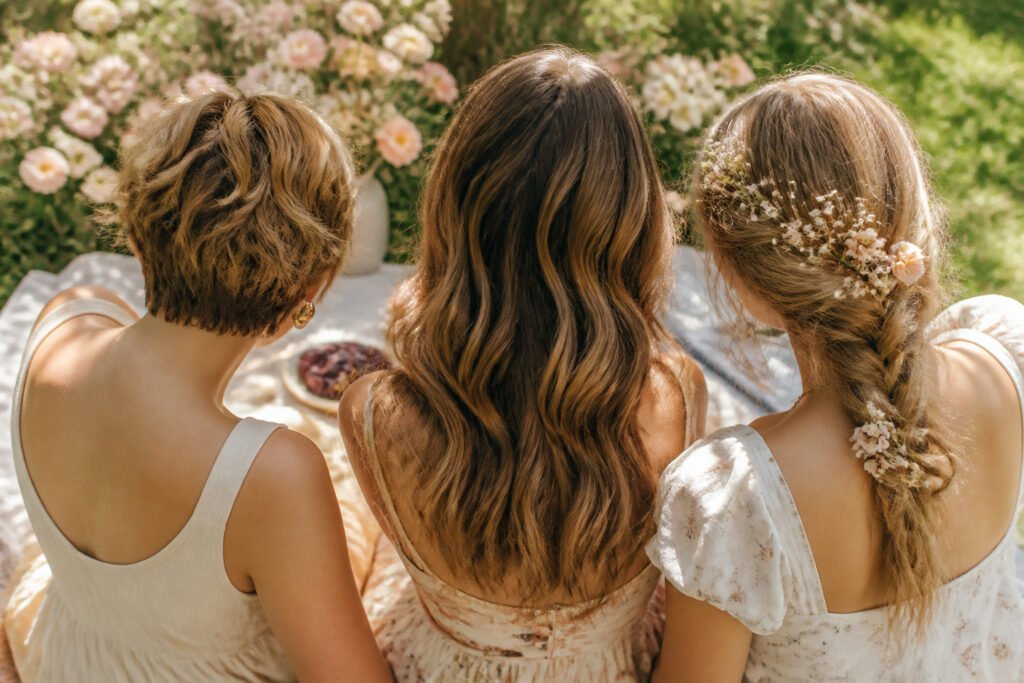
Spring hair runs from a ten-second middle part to a cut that demands salon visits every four weeks, and the single factor that sorts them is how much mornings you are willing to give. The bixie, that bob-pixie hybrid Zendaya wore this award season, grows out deliberately rather than awkwardly, but only if your texture can carry the heavy layering.
1. Middle Part

A middle part pulls the eye straight to center, which softens the jaw and widens the cheekbones in a way a side part never quite manages. I noticed the difference myself after years of defaulting to a deep side sweep; the shift made my face look longer and calmer, not because anything had changed structurally but because the symmetry reset where attention landed. It works on a chin-length bob or hair past your shoulder blades, though the effect sharpens when the ends have some weight to them. The part itself costs nothing and takes ten seconds with a comb, but the real test is living with it for a full day. Hair trained to fall one way will fight you for a week. Wet it, set it while drying, and do not touch it with your hands by noon or the line drifts.
2. Braids

Spring wind and April showers turn loose hair into a battle most mornings, which is exactly why braids keep surfacing as one of the most backed trends this season. A contained style holds up through gusts and drizzle without the frizz panic that sends you back to the mirror by noon. The real payoff, though, is how braids treat second-day hair: the slight grit gives texture that a just-washed ponytail never manages, and a messy braid at 5 p.m. looks intentional rather than defeated.
The range runs wide enough that you are not locked into one look. French braids, crown braids, Dutch braids, and box braids each read differently, and a long braid can shift from tight and office-appropriate to relaxed and weekend-worn without starting over. A braided style can last for days, making it genuinely low-maintenance rather than low-maintenance in theory. Milkmaid twists work for shorter lengths; a low loose messy braid buys time when washing is not happening. The common thread is function dressed up as style, which is what spring demands when the weather cannot commit.
3. Accessorized Hair

A multi-clip look has shifted from occasional party trick to something you can wear to the grocery store without feeling overdone. The trick is keeping the materials current. Butterfly clips and spiky Y2K shapes are back, but in grown-up finishes that read 2024 rather than leftover from three years ago.
Small metal clips in brushed gold or matte silver feel like jewelry now, not craft-project glitter. I cluster two or three on one side of a low bun, or line them along a deep side part to keep flyaways flat while the rest stays loose. The weight matters: anything heavier than about an inch and a half starts to slide by noon if your hair is fine, so I test the grip before I leave the house.
Baby braids pinned with a single clip at the temple work for running late. One clip, one braid, hair off the face, and you still look like you tried. The spiky bun trend folds hair back into a pointed shape rather than smooth and round, usually with some backcombing for height. It reads deliberate, not messy, and a clip at the base keeps the architecture from collapsing.
For spring, I skip anything neon or plastic-heavy. Tortoise, resin in muted colors, or plain metal feel like the pieces that will still look right by Memorial Day.
4. Twisted Ponytail

A twisted ponytail takes the style you already know and gives it enough structure to pass for deliberate. The single twist is the faster option: part your hair slightly off-center, take one front section, wrap it back over the rest of your gathered hair, and pin it underneath before you secure the elastic. The double twist does the same from both sides, crossing them at the nape so the pony sits a little higher and fuller.
What keeps it out of gym territory is tension. A basic pony pulls straight back; the twist creates a visible line that looks like you planned the shape, not like you grabbed hair on the way out. No heat needed, which matters in spring when humidity already has its own plans. I reach for this when I want my hair off my neck but still need to look like I thought about it for more than thirty seconds.
The elastic placement decides the mood. Lower, at the occipital bone, reads evening; mid-height works for most offices. Too high and the twist disappears into the volume, so I check it from the side before I leave the mirror.
5. Pixie Cut

The pixie cut lands on this list because stylists are calling it the move for anyone who wants a real reset this spring. Expect trims every four to six weeks if you want to keep the shape sharp; grow-out is not forgiving, and the silhouette shifts fast once it passes that window. Product matters more than length alone: a texturizing paste or light wax keeps the piece-y definition that makes a pixie look intentional rather than grown-out by accident. Curly textures get extra mileage here, since the volume on top creates its own structure without much morning effort.
If the full commitment feels steep, the "power bob" sits right nearby: chin-length, playful, easier to stretch between salon visits. It carries some of the same attitude without the same maintenance rhythm. The bixie, that bob-pixie hybrid celebrities have been wearing through award season, offers another bridge. Celebrity stylist Nikki Nelms pointed out that the bixie reads as intentional even while it grows, which solves the awkward middle phase that trips up pure pixie wearers. Three ways to go short this spring, each with its own tolerance for upkeep.
6. Bob Cut

Sharp lines against lighter fabrics and bare shoulders are why the bob keeps winning each spring. The cut runs from chin-grazing to collarbone length, and both lengths read as intentional rather than grown-out. I like the collarbone version for anyone nervous about commitment; it still clears the shoulder but leaves enough to pull back on windy days.
For 2026, the power bob lands right in that middle space: chic enough for a blazer, playful enough that it does not feel like corporate uniform. The textured lob offers a softer variant if blunt edges feel too severe. Stylists are sculpting ends with subtle layering this season, so the shape holds without looking helmeted. Square bobs with even weight across the back of the neck make a bolder statement, though the geometry puts split ends on full display; load up on cuticle-sealing oils if you go that route.
7. Shag Cut

A shag cut lives or dies by its five sources and the layers that spring from them, which is exactly why the style keeps coming back. Those choppy ends catch spring humidity instead of fighting it; the texture swells slightly, giving the whole cut a second wind by noon rather than collapsing into frizz. The 70s inspiration still reads, but the modern version dials the rock-and-roll down to something you can wear to a 9 a.m. meeting. Face-framing layers do the heavy lifting, so the lived-in look arrives without the daily styling effort that would otherwise make this a weekend-only choice. For the 25-44 reader, that balance matters: enough edge to feel like a real change, enough wearability that you are not managing a persona before coffee. The choppy layers behave best when you let them air-dry with a light product, which in spring means you are out the door faster, not slower, than with a blunter cut that demands a round brush and intention.
8. Curtain Bangs

Curtain bangs sit shorter in the center and sweep longer toward the temples, which is exactly what makes them the lowest-commitment fringe for a seasonal switch. The grow-out is forgiving; unlike blunt bangs that hit an awkward mid-forehead stage and demand trims every three weeks, these taper into face-framing layers that keep their shape as they lengthen.
Styling takes two routes. A round brush and blow-dryer curls the ends inward for that polished C-shape, or you can let them air-dry and simply tuck the strands back into the rest of your hair when you want them gone for the day. The versatility matters in spring, when humidity can make a full fringe stick to your forehead and a heavy blunt cut feel like the wrong bet.
The real draw is how they modify what you’ve already got. The angle softens cheekbones or brings out an eyebrow line depending on where your stylist lands the shortest point, and the weight works on straight, wavy, or curly textures without requiring a density change. For anyone who wants the change bangs bring but not the weekly upkeep, this is the move.
9. Wolf Cut

The wolf cut has racked up more than 1.2 billion views across celebrity and influencer feeds, which sounds like proof that anyone can wear it. The reality is more specific. This hybrid of shag and mullet builds volume at the crown through short, textured layers while the back stays longer, and that architecture flatters some hair more than others.
Fine or straight hair needs the most help. The choppy layers can fall flat without a volumizing mousse or texturizing spray worked through the roots before drying. Wavy and thick hair carries the shape more naturally, though the broken ends still benefit from a lightweight styling cream to keep the texture defined rather than frizzy.
The cut reads as low maintenance, and it is, but only if your natural texture cooperates with the layering. Curtain fringes, rocker bangs, and micro fringe all pair with the base shape, so the variation is there if the core silhouette works for you.
10. High Ponytail

The high ponytail carries a built-in face-lift effect that no product can replicate. Pulling hair straight back and anchoring it high at the crown tightens the eye area and sharpens the jawline, which is why stylists send clients down red carpets in this exact shape. The trick that separates a finished look from a gym run is hiding the elastic: take a half-inch section from the pony’s underside, wrap it around the base, and pin it underneath. The wrap conceals the band entirely.
Spring’s lighter wardrobe changes how this reads. A bare neck in January looks like you forgot a scarf; in April, with a cotton camisole or open collar, the exposed neck becomes deliberate, almost architectural.
Tension is the real cost of regular wear. The constant pull at the crown can stress the hairline over months, so this works best as an occasional power move rather than a daily default. For length or volume you don’t have, clip-in ponytail extensions with a wrap-around hair section solve the elastic problem while adding the swing that makes the style feel expensive rather than practical.
11. Messy Bun

The messy bun lands differently when you build it on purpose rather than catch it at the end of a long day. The intentional version needs three things: texture at the roots, height at the crown, and only the pieces you choose left out. Spring humidity can supply that texture for some hair types and destroy it for others, so the prep matters more than the season itself.
I start with a curling iron or a texture spray like Matrix Total Results Rock It Texture Sea Salt Spray if the hair runs fine or slick. The grip has to come from the strand, not from fifty pins. Gather high, not low; a bun sitting at the crown reads as styled, while the same bun at the nape still looks like you gave up. Wrap it loose, pin at the base, then pull exactly two tendrils to frame the face. Any more and you are back in accidental territory.
For fullness without length, clip-in wefts wrapped around the base do the work. The multi-clip trend Garnier flagged for spring this year doubles here: those same pins that hold the weft can read as deliberate accessory if you let a flash of metal show. The braid trick works too. A skinny cornrow or a peek-a-boo braid lashed around the bun gives the same hold with more structure, and fine hair slips less once it is braided first.
12. Fishtail Braid

The fishtail braid carries two distinct lineages that explain why it reads as more refined than a standard three-strand braid despite being technically simple. One strand comes from Scandinavian fishing villages, where the herringbone pattern was literally named after the fish it resembled; the other from medieval European plaiting, where the same structure secured heavy wool without bulk. The herringbone itself is what catches the eye: each small section crosses over at a sharp angle, creating a flat, woven surface that looks almost like fabric rather than rope.
That thinner profile matters especially for fine hair. A standard braid swells outward, which can emphasize thinness at the ends; the fishtail stays narrow and controlled because you’re working with only two main sections, taking small pieces from the outer edges rather than dividing the whole mass. Fine hair holds this structure better than it holds a loose three-strand, since the frequent crossings create more friction points to grip against.
The time investment is real. A fishtail takes perhaps three to four times as long as a basic braid because of the small, repeated hand movements. The payoff sits in the result: the same fifteen minutes that produces a casual three-strand produces something that reads as intentional, almost editorial. For spring, that shift from "I braided my hair" to "that braid looks considered" is exactly the change the season invites.
13. Long Layers

Long layers come in three main forms, and each one delivers change without the commitment of a major chop. Face-framing layers start near the cheekbone and draw the eye inward, which softens a wider forehead or sharp jawline. All-over shaping keeps the length intact but removes weight from the mid-lengths down, so the hair moves instead of hanging in a single block. Spring air does the styling here: a breeze catches the separated pieces and shows off the cut’s architecture in a way winter static never could.
The butterfly cut lands in this family too, with wispy layers that taper toward the ends and create that light, flitting movement the name promises. It enhances length rather than sacrificing it, and the removed weight gives long hair a breezy feel that matches the season.
Trimming every 10–12 weeks keeps the ends from going stringy. Without that maintenance, long layers collapse into a shapeless triangle as the bottom thins out and the top grows heavy. The cut itself is low-effort daily, but the calendar discipline matters more than with blunt styles.
14. Wispy Bangs

Wispy bangs sit lighter on the forehead than a full blunt fringe, and that see-through density is exactly why they work as a spring move. You can part them down the middle, let them feather into face-framing layers, or sweep them aside without the grow-out drama that heavier bangs leave behind. The spring light does the rest: morning sun coming through a window catches the gaps in a way office fluorescent never did, so the texture reads intentional rather than accidental.
Heath, a stylist tracking the 2026 hair space, puts the shift plainly: fringe is having a moment again, and face-framing wisps are gaining traction because they blend so cleanly into layers. Softer, piece-y fringe lets you update without committing to a dramatic change, and clip-in bangs exist if you want to test the waters worry-free.
"Softer, piece-y fringe will start gaining traction as people look for ways to update their look without committing to a dramatic change."
For the reader, this means you can walk into a salon with a photo of curtain bangs but ask your stylist to take the weight out, keeping the shortest pieces light enough to push back with two bobby pins. The tendril detail that is showing up this season pairs naturally: a few longer wisps at the temple, cut to break up the jawline without reading as full sideburns. Maintenance is lower than a solid fringe because there is no blunt line growing out to fight against.
15. C-Cut

The C-cut curves inward at the ends, creating a C-shaped perimeter that frames the face rather than falling straight or flaring out. Jaw-length or longer layers sweep down and curl in at the collarbone, which sets it apart from an A-line that angles longer in front, or a blunt bob that hits one length all around with no bend at all.
This shape works especially well if you want to soften your jawline or add the illusion of width around a longer face. The inward curve draws the eye horizontally, balancing oval and rectangular shapes particularly nicely.
Styling is where you sell the cut. A round brush and blow dryer curl the ends in toward your face, reinforcing that C shape. A flat iron works too, run lightly through the mid-lengths and turned under at the ends. The cut responds well to either method and holds the curve through the day without much product.
16. Shullet

The name alone stops most people cold. "Shullet" sounds like a punchline from a decade nobody wants to revisit, and that hesitation is exactly why this cut deserves a second look. What stylists are actually delivering in 2026 is a textured, layered hybrid: the shag’s volume and movement through the crown, paired with the mullet’s longer back section, but softened and broken up so nothing reads as severe. The short internal layers create lift and a kind of controlled fluff, while the length structure stays intact underneath.
This is the option for anyone bored with one-length hair who still wants actual length. Wavy textures especially benefit; the layering builds in dimension that air-dries into something intentional rather than limp. Curly hair can work with it too, though the cut needs to be mapped to your specific curl pattern rather than copied straight from a reference photo. The modern version frames the face rather than boxing it in, and the back grows out into a long-layered shag over time if you decide the edge was too much. That grow-out path matters. It means the commitment is lower than the name suggests.
17. Bixie

The bixie sits in that narrow space where a bob ends and a pixie begins, shorter than a standard bob but with more length and softness than a traditional pixie. Stylists who worked the red carpet this season kept pointing to that exact zone as the cut to watch.
What makes it workable is the texture. The cut is heavily layered, which gives it movement without requiring daily heat styling. If your face shape can carry something this short, the payoff is a style that reads intentional even while it grows out. That awkward in-between phase that normally haunts short cuts? The bixie is built around it.
The grow-out appears deliberate, not like you’re waiting for a rescue appointment.
For styling, a texturizing product is enough most mornings. The layers do the structural work. Ursula Stephen, who styled Zendaya’s version for the Oscars, kept the lines softly sculpted rather than blunt, and that softer shaping is what keeps the cut from looking too severe for everyday wear. You can push it back, tuck it behind an ear, or let it fall forward. The range of daily options matters more than you’d expect for something this short.
18. Textured Lob

A textured lob sits as the softer cousin to the blunt bob, and that softness comes from how the ends are cut. Point-cutting or razoring removes weight in a way that leaves the line broken rather than crisp, so the hair moves on its own and reads casual rather than corporate. Spring’s breezy aesthetic suits this particularly well; the same wind that ruins a polished blowout gives a textured lob its shape.
The interior needs a few layers throughout, especially around the face, to keep the fullness from collapsing into a triangle. Loose waves sitting in the middle, neither tight nor straight, finish the look without looking finished. A texturizing styling spray helps here: it encourages wave formation and separation while the hair stays touchable, not stiff.
What convinced me, reading through the spring collections, is how this cut grows out. The texture disguises the line as it lengthens, so the lob eases into summer without that awkward in-between phase. Add sunglasses or a hat and the whole thing shifts into springtime mode without any extra styling time.
19. Mermaid Waves

Mermaid waves sit somewhere between the chaos of real beach hair and the regularity of a crimp, with a loose, repeating S-pattern that reads as intentional rather than slept-on. The texture is what you get when natural waves go glossy: still movement, but controlled.
Two tools dominate. A triple-barrel waver builds the pattern fast, clamping three ridges at once so you work through hair in ten-minute increments. The alternative is braiding damp hair overnight, which costs nothing and leaves a softer, less uniform ripple. The waver wins for spring weddings or any event where the look needs to hold past midnight; braiding wins for Tuesday errands and hair that touches your shoulders or shorter, where the iron’s geometry fights you.
Product choice determines whether the pattern survives humidity or turns stiff. Matrix Style Link Super Fixer Strong Hold Gel sets the wave with hold that stays pliable, no shellac finish. I have watched waves fall flat by noon because the product was only medium hold, and I have felt the crunch of over-gelling; the right gel is the one that disappears into the texture and keeps the S-curve readable until you wash.
20. Pastel Colors

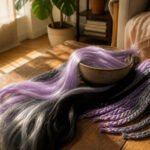
Lavender, mint, rose gold, and baby blue read as the whimsical choices that signal spring has actually arrived. The shift from winter to spring light changes everything about how these tones register: what looked like a soft wash under January fluorescents suddenly carries real presence in April’s natural daylight, which is why timing the appointment matters.
The commitment splits two ways. Demi-permanent color lines sit on the hair and fade gradually over weeks, making them the lower-stakes entry point for anyone testing whether pink hair works with their actual wardrobe. Permanent color demands the same pre-lightening for brunettes, since pastel pigment needs a pale base to read true, but locks in the decision for months rather than washes. Either route requires lifting dark hair first, and that pre-lightening step is where the real time and damage live.
Fading timelines favor the cautious. Pastel tones wash out fastest at the roots where heat and handling concentrate, so the mint that looked deliberate on day twelve can read as accidental by week four. Maintenance color or a scheduled refresh keeps the intentional quality intact, but that rhythm has to be budgeted from the start.
Hair Accessories That Work

The right clip turns a growing-out fringe from awkward to intentional. A slim barrette, placed just behind where the bangs split, holds curtain bangs off the face while the rest of the hair stays down. A single barrette reads current; a matched pair at each temple looks like 2019.
Claw clips earned their comeback by doing actual work. Twisting the hair up and clamping it at the crown gives the twisted ponytail its shape, and the clip’s teeth keep it there through a full day. The oversized ones in matte tortoiseshell or brushed metal pass for office-appropriate; the neon resin versions stay weekend-only.
Headbands sit differently on a middle part than they did when side parts ruled. Placed with the band landing exactly at the center line, they push the front sections back evenly. Stylists note people are moving away from fixed parts this spring anyway, letting strands fall more naturally, so the band’s job shifts from holding a strict shape to framing whatever placement the hair takes that morning.
Multi-clip looks, several mixed sizes running along one side, do the double work of keeping hair in place and reading as deliberate styling rather than last-minute rescue. The trick is variation: one large clip with two smaller ones, or alternating metal and resin finishes. Uniform clips in a straight row look like you grabbed what was on the dresser.
Spring Color Maintenance

Pastel shades, sun-kissed balayage, and warm tones read as the obvious spring move, but the color itself is only half the commitment. What actually changes in March and April is the workload of keeping it. Sun exposure climbs week by week, and humidity starts doing its seasonal creep. Color that looked expensive in February can turn brassy or washed by May if the maintenance isn’t built into the routine from the start.
The hand-painted technique of balayage grows out cleaner than foil highlights, which matters when you’d rather spend Saturday outside than in a salon chair. Still, leave-in conditioner after every wash is the non-negotiable step that keeps the tone from going flat. Heat protectant before any blow-dry or iron use matters more now too; spring’s combination of stronger UV and more frequent outdoor events means hair takes a double hit. Lavender, rose gold, and mint tones in particular fade fast without this baseline, and the "wow factor" of a pastel shift only holds if you’re willing to redo the conditioning discipline every single wash.
Trim and Condition Schedule

A fresh spring hairstyle brings change only if the cut keeps its shape long enough to enjoy it. Pixies and bixies need sharpening every 6 to 8 weeks, before the neckline grows ragged and the silhouette collapses into a grown-out bowl. Long layers and shags stretch to 10 or 12 weeks, though the ends will start whispering for attention sooner if heat styling is part of your routine.
The calendar is a rough guide. Your own hair tells the real story. When ends tangle in the shower instead of sliding apart, or when a ponytail feels thinner at the bottom than it looks at the elastic, the split has already traveled upward. Conditioner masks twice monthly slow the progression, but they do not seal what is already broken. A trim removes the damage; the mask protects what remains.
Heat protectant matters more in spring, when the urge to air-dry finally returns and the flat iron gets pulled out for events. Spray it on damp hair before any tool touches it, not after, or you are just perfuming the sizzle.
Frequently Asked Questions
What are the trending hairstyles for spring?
Braids, bobs, pixie cuts, and curtain bangs lead the selection this year, with the shag, wolf cut, bixie, and shullet also drawing serious attention. The article runs through twenty options, from a simple middle part switch to clip-heavy accessorized looks, and every entry is chosen because it solves a spring-specific problem like humidity, wind, or the desire to reset without full commitment.
How can I maintain my spring hairstyle?
Trim on a schedule that matches your cut. Pixie shapes need attention every four to six weeks, long layers can stretch to ten or twelve, and a bob lives in between. The right product matters as much as the calendar: texturizing paste for short cuts, light styling cream for broken layers, and sea salt spray or dry texture spray when you need grip for updos. Heat protectant matters less in spring if you are air-drying layered cuts, but a round brush and dryer still sell a C-cut or curtain bangs when you want the polished version.
What hair colors are popular for spring?
The article focuses on cut and style rather than color, but the source passages note dimensional brunettes with warm caramel or golden highlights as a spring move, adding depth that catches sunlight. For readers thinking blonde, the same principle applies: tone that brings life to the base and reflects the stronger spring light will read as seasonal without requiring a full overhaul.