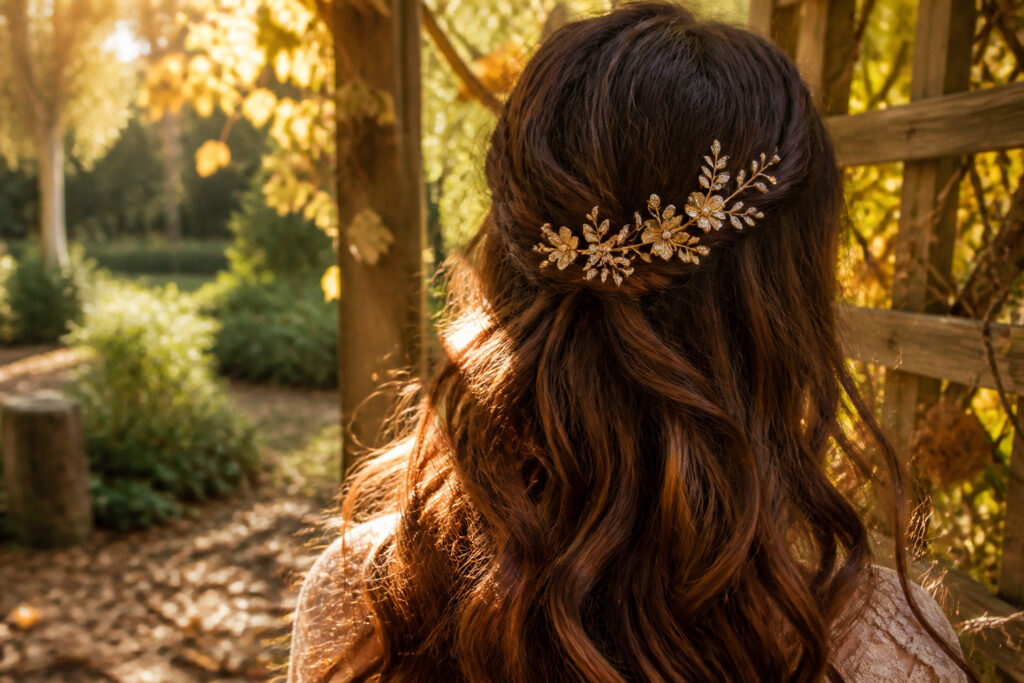
Headpiece jewelry for long hairstyles is decorative hardware, pins, bands, and combs worn to anchor or ornament hair past the shoulders. The catch is that length changes everything: a piece beautiful on the table can drag the silhouette down against waist-length waves, and a tiara placed too far back will slide forward all evening. Cross two hairpins in an X, not parallel, or thick hair will lever them loose within the hour.
Hairpins
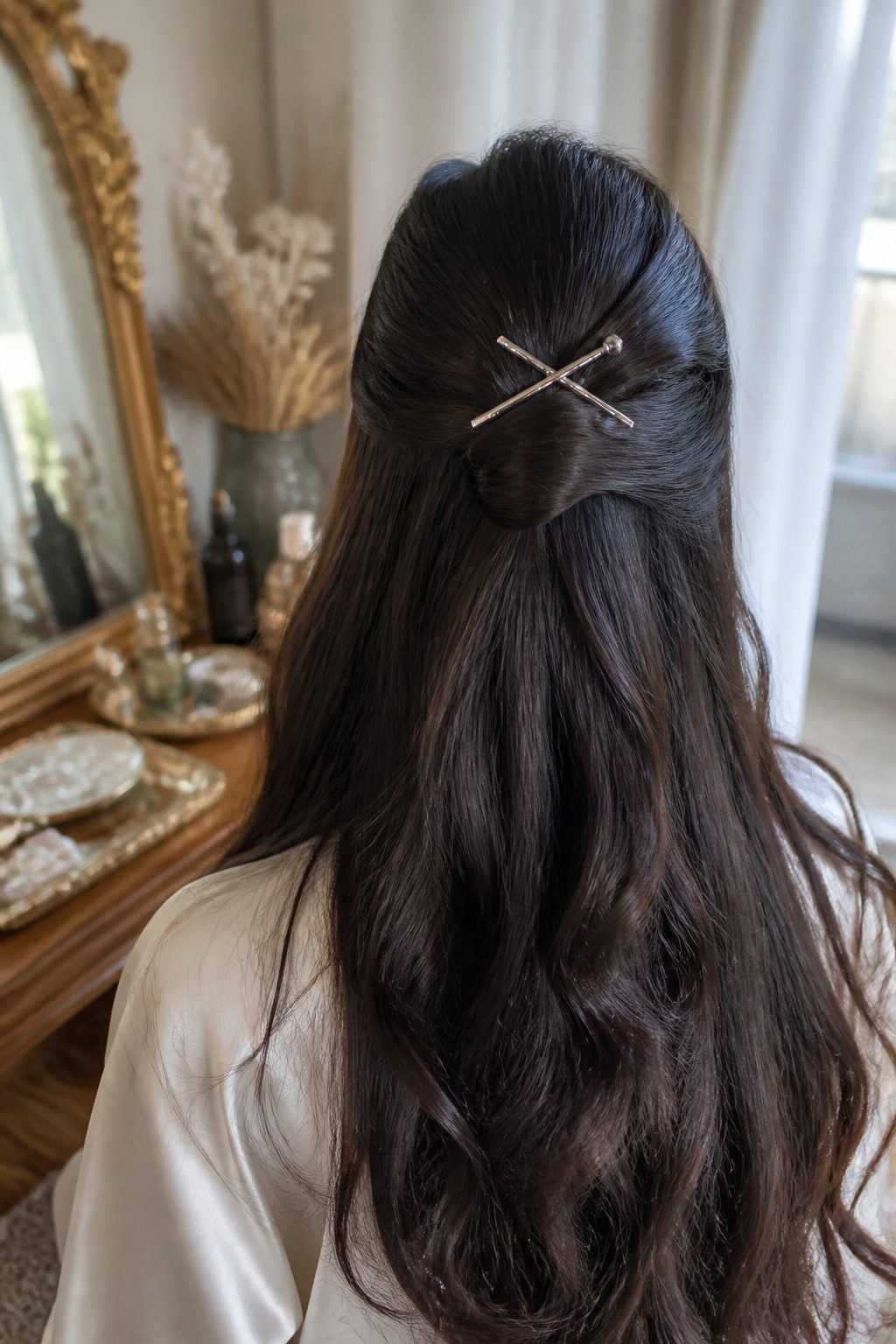
A single hairpin can anchor a half-up twist on thick hair that would swallow a whole bobby pin set, but only if you cross two pins in an X rather than sliding them parallel. The crossing creates tension against itself, so the grip holds even when the surrounding layers shift. For long hair with heavy ends, placing the pin where the twist meets the scalp, not at the outer edge, keeps the weight from levering it loose over an hour.
Decorative pins with a three-inch stem or longer work best for visibility; shorter pins vanish under surface layers unless you part the hair to expose them deliberately. That parting is itself a style move: a deep side sweep pinned behind the ear with one visible pin reads evening, while the same pin hidden inside a low bun reads office-appropriate. The metal finish matters more than the stone size for long hair, since only a thin line of the pin shows between strands. Matte gold catches light differently than polished silver, and that catch is often the whole point of wearing one.
For securing a full updo, a pin every two inches along the twist’s interior line prevents the long tail from pulling the knot downward. Too few pins, and the weight concentrates; too many, and the sculpture turns rigid. Four to six pins usually balances a mid-height chignon on hair past shoulder blades, though layered ends sometimes need an extra pin just to trap the shortest escaping pieces without flattening them.
Tiaras
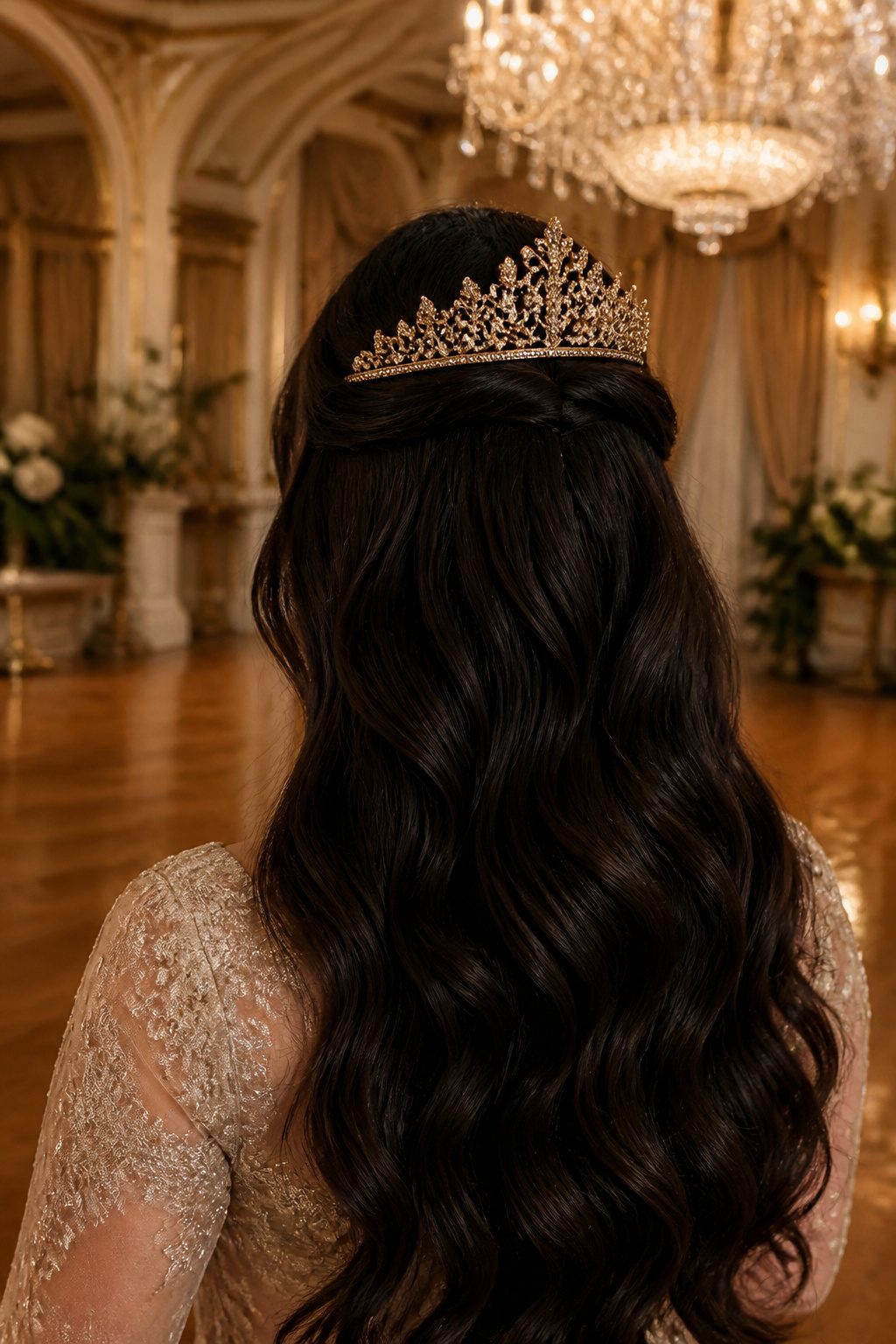
A tiara sits differently on long hair than on an updo, and the difference matters more than most people expect. Place the band no more than two inches back from the hairline, not pushed back toward the crown where gravity takes over. Smooth strands offer almost nothing for the combs to grip, so backcombing a narrow anchor strip at the placement point keeps the piece from sliding forward during a long evening. Volume underneath creates the opposite problem: too much lift and the tiara hovers above the hair like a halo rather than settling in. I learned this the hard way at a formal dinner, adjusting the thing every twenty minutes because I had teased the whole crown instead of just the band’s path. For thick or heavily layered long hair, crisscrossing two small sections over the band at each temple and pinning them underneath locks the tiara against the head. The metalwork should still read from the front, so check the angle in a mirror from slightly below, not straight on. A tiara tilted too far back reads costume; level or barely forward reads intentional.
Floral Crowns
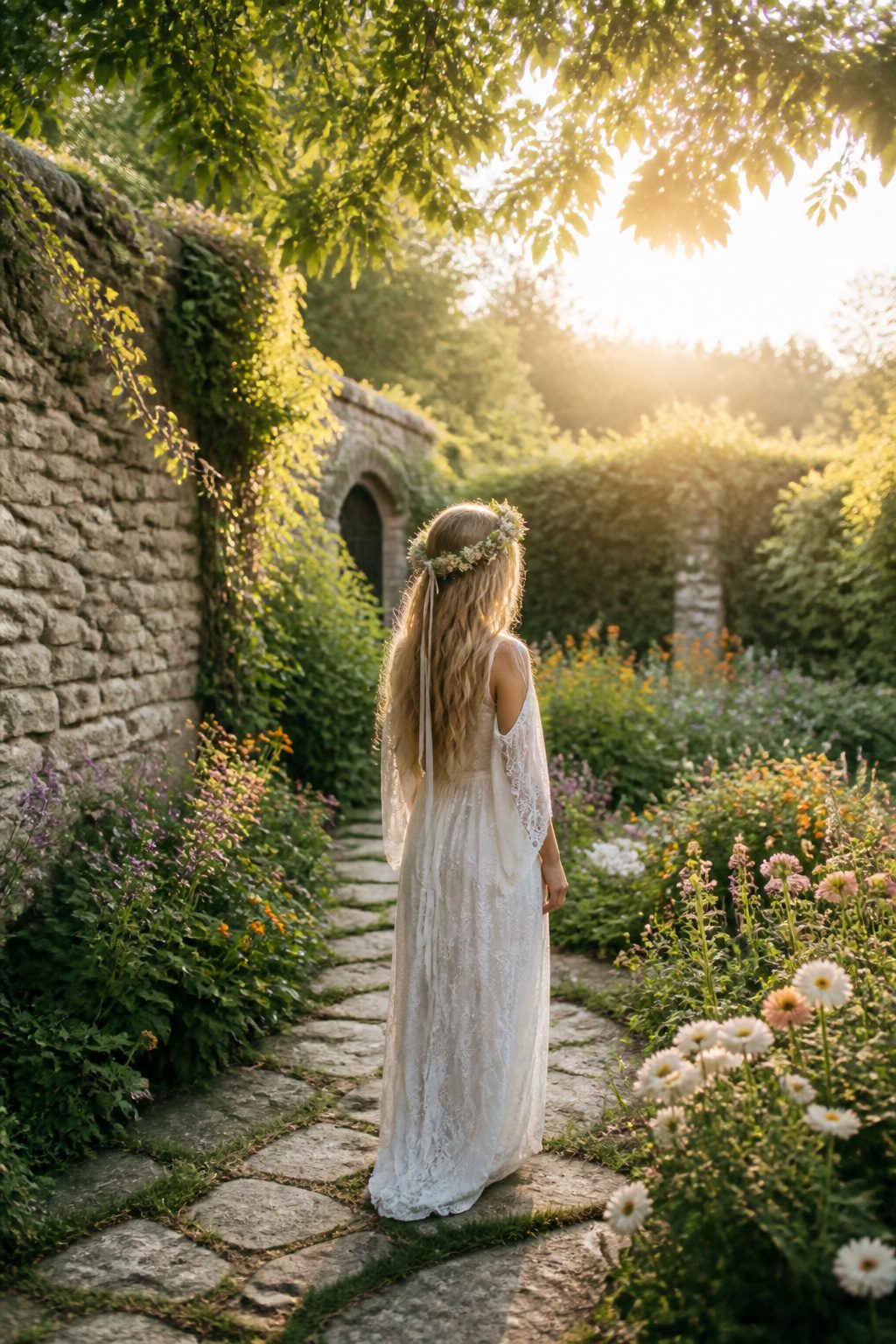
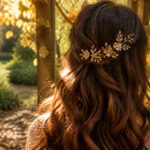
A floral crown on long hair walks a thin line between effortless and costume-shop. The greenery itself does the styling work, so the placement matters more than the piece’s price. Set the crown back from the hairline by at least two inches, letting some front layers fall loose to frame the face rather than tucking everything under. Long hair’s weight will pull a crown forward if the band sits too close to the brow, and by noon you’ll be pushing it back every five minutes.
The density of the crown should match your hair’s thickness. Fine hair disappears under oversized blooms; thick hair swallows a sparse wreath whole. For outdoor events, wired greenery holds shape against wind better than glued constructions, though it adds noticeable weight. I spent one June afternoon at a garden wedding watching a bride’s elaborate eucalyptus crown slide down her uncurled lengths until it rested like a necklace. She’d skipped the strategic bobby pins at the back, the ones that anchor the band to the crown of the head rather than the hair itself.
Loose waves or a low braid behind the ears give the crown something to grip without looking arranged. The bohemian effect comes from the contrast between controlled florals and hair that moves on its own. Too much perfection in the hairstyle, and the whole thing reads as styled rather than gathered.
Headbands
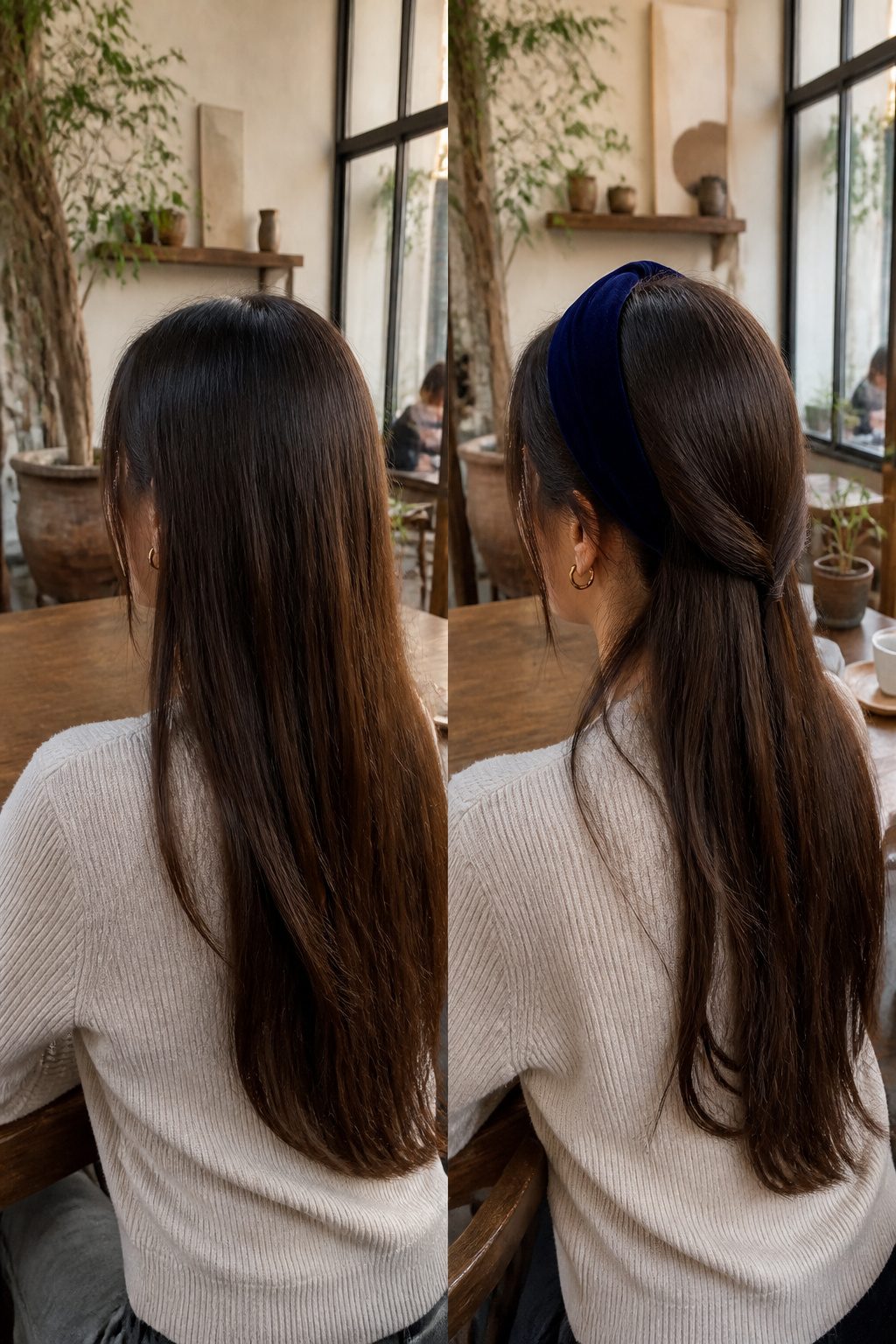
A headband does two jobs at once for long hair: it holds strands away from the face and adds the decorative finish that turns a basic ponytail or loose waves into something intentional. The trick is matching the width and material to what your hair actually does during the day.
Slim metal or wire bands stay put best on fine, straight hair that slips out of everything else. The narrow profile grips close to the scalp without the bulk that would slide right off. For thick or coarse hair, a wider fabric or padded velvet band distributes pressure across more surface area and fights the headache that comes from a thin band digging in by noon. Curly and coily textures need the same width but with a satin or silk lining; cotton or rough synthetics lift the cuticle and turn a styled look into frizz within an hour.
Decorative elements change how the band functions. A cluster of beads or crystals at the center adds visual weight that can shift the whole piece backward on slippery hair, so those details work better on textures with natural grip. Plain bands with the ornamentation spread evenly, or set toward the ends, stay balanced through an actual workday rather than just the walk to the car.
The test is movement: if the band slides when you tip your head to towel-dry your hands, it will not survive a commute or a dinner out.
Combs
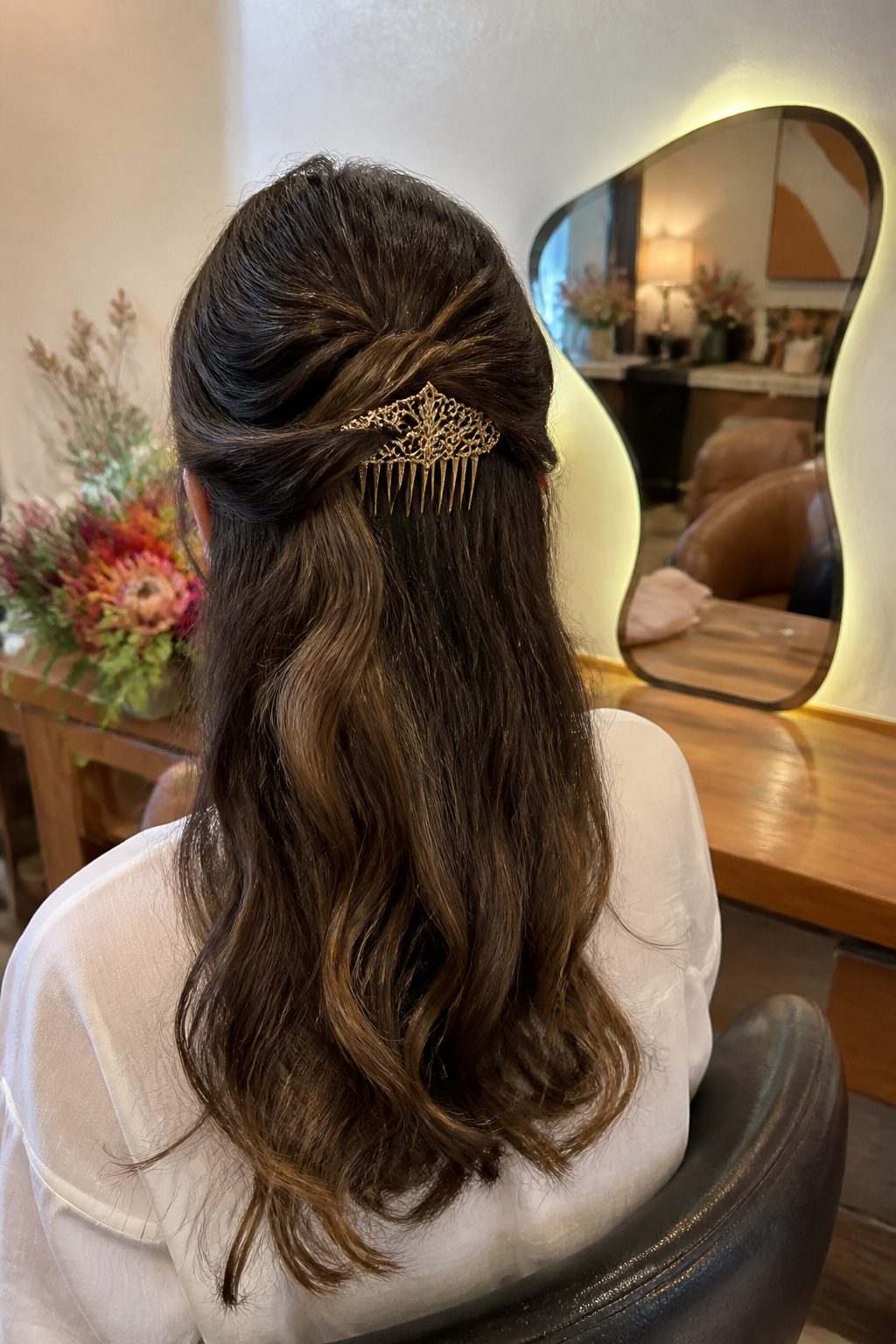
Decorative combs slide into hair with the teeth angled slightly downward toward the scalp, not straight in like a fork. That angle lets the teeth grab enough to hold without popping back out when you move. With long hair, the trick is leaving two to three inches of the spine visible above the surface so the comb reads as jewelry, not a hidden tool. Too much length buried around it and the piece disappears; too little anchor and it works loose by mid-event.
The grip comes from where you place pressure. Push the comb in at the point where hair feels slightly taut, usually where a half-up section meets the crown, rather than loose waves that swallow it. A second comb set parallel and an inch below the first, teeth facing opposite directions, locks both in place without extra pins. I have watched this fail when both combs face the same way: the top one slides down the slope of the head and takes the hairstyle with it.
Veils
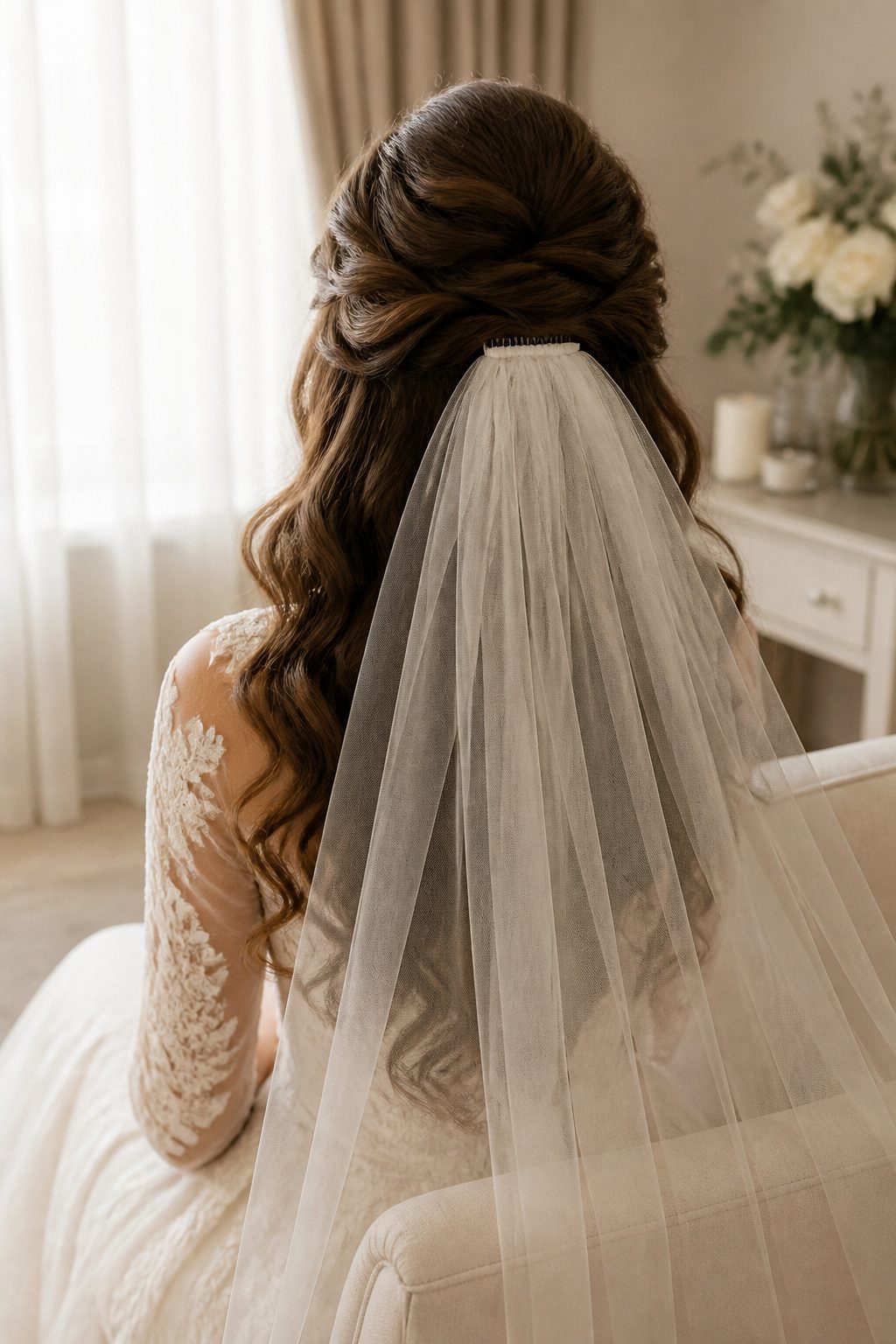
A veil on long hair lives or dies by what happens at the crown. The comb or clip needs something to bite into, which means the style beneath has to be built up, not smoothed down. When I first watched a stylist prep a bride with waist-length waves, she backcombed lightly at the crown and set the section with a flexible hairspray before any veil touched the hair. That volume creates a shelf. Without it, the weight of even a single-layer veil pulls the whole silhouette flat within half an hour.
Attachment method matters just as much. Most cathedral and chapel lengths arrive on a metal comb sewn to the veil edge. That comb slides under a horizontal pin at the back of the head, not straight into the scalp. Some newer designs use a clear elastic loop that wraps around a bun, which distributes weight more evenly and shifts less during a long reception. The loop only works if the bun itself is pinned to the skull, not just coiled and hoped for.
The structure underneath also determines where the veil sits relative to the face. A low placement, below the occipital bone, keeps the line graceful on someone with layers or face-framing pieces. Higher placement, at the crown, needs the hair to be teased enough that the comb does not slide toward the part line and expose the attachment point. Either way, the hair directly under the comb should be sprayed and cooled before the veil goes in; wet-setting it after risks gluing the comb in place so it tears strands on removal.
For long styles worn down, the veil comb can anchor into a small, loose braid hidden at the back. The braid gives the teeth purchase without requiring the whole head to be shellacked. Hair left entirely loose and unsectioned will lose its grip the moment the wearer turns her head.
Matching the Occasion
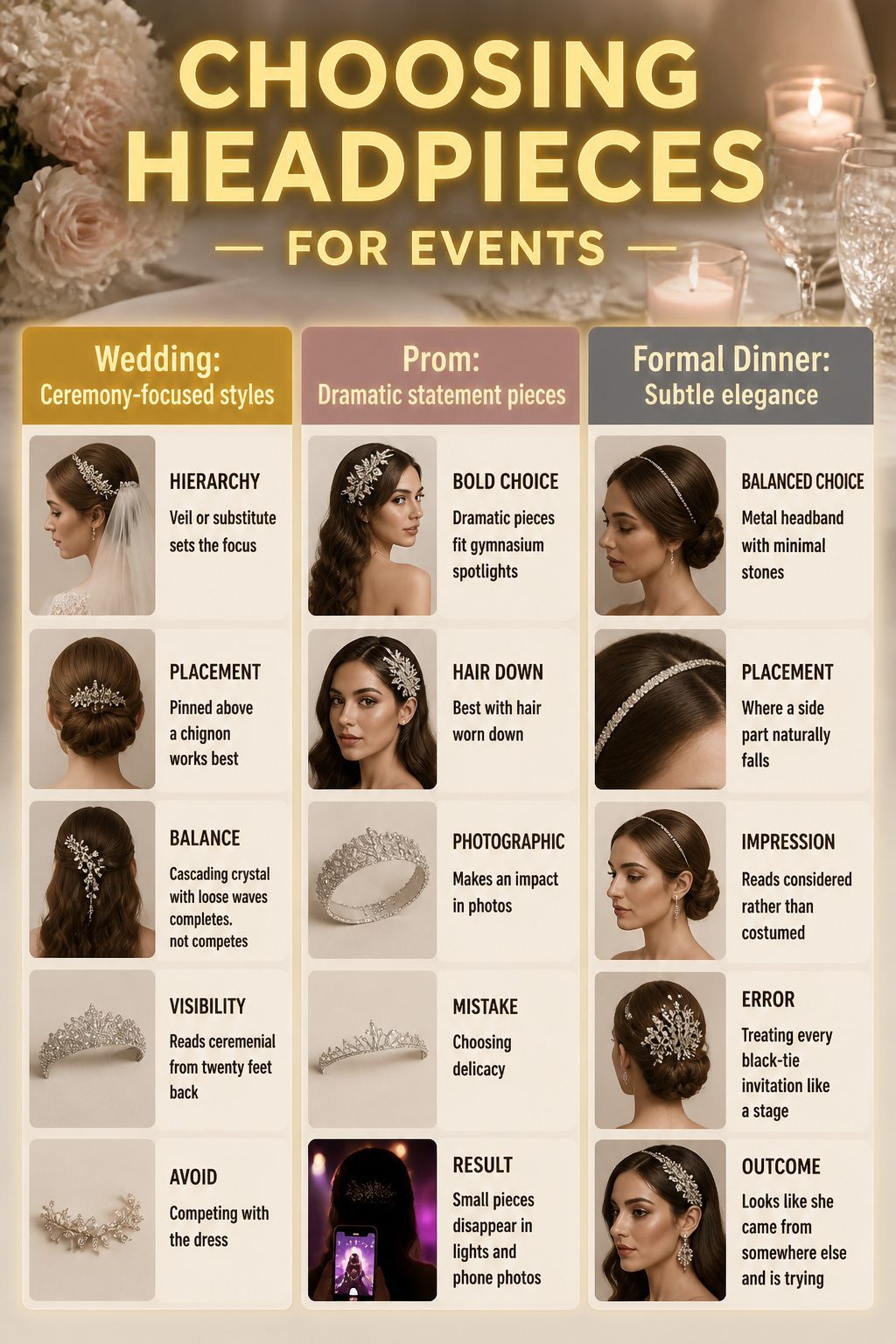
The occasion decides the headpiece before the hairstyle ever gets a vote. A wedding demands something that reads ceremonial from twenty feet back; a prom wants drama that photographs well against rented tuxedos; a formal dinner asks for restraint, the kind of piece that catches candlelight without starting conversations across the table.
For weddings, the veil or its substitute sets the hierarchy. A jeweled comb pinned above a chignon works because the eye expects that focal point. Swap in a cascading crystal piece for loose waves and the look competes with the dress instead of completing it.
Prom allows the opposite instinct. Hair worn down with a statement headpiece, something that would look excessive at a gallery opening, makes sense under gymnasium spotlights. The mistake is choosing delicacy; small pieces disappear in those lights and in phone photos.
Formal events that are not rites of passage sit in the middle and punish extremes. A metal headband with minimal stones, placed where a side part naturally falls, reads considered rather than costumed. The error here is treating every black-tie invitation like a stage; the woman who looks like she came from somewhere else always looks like she is trying.
Keeping the Jewelry in Balance
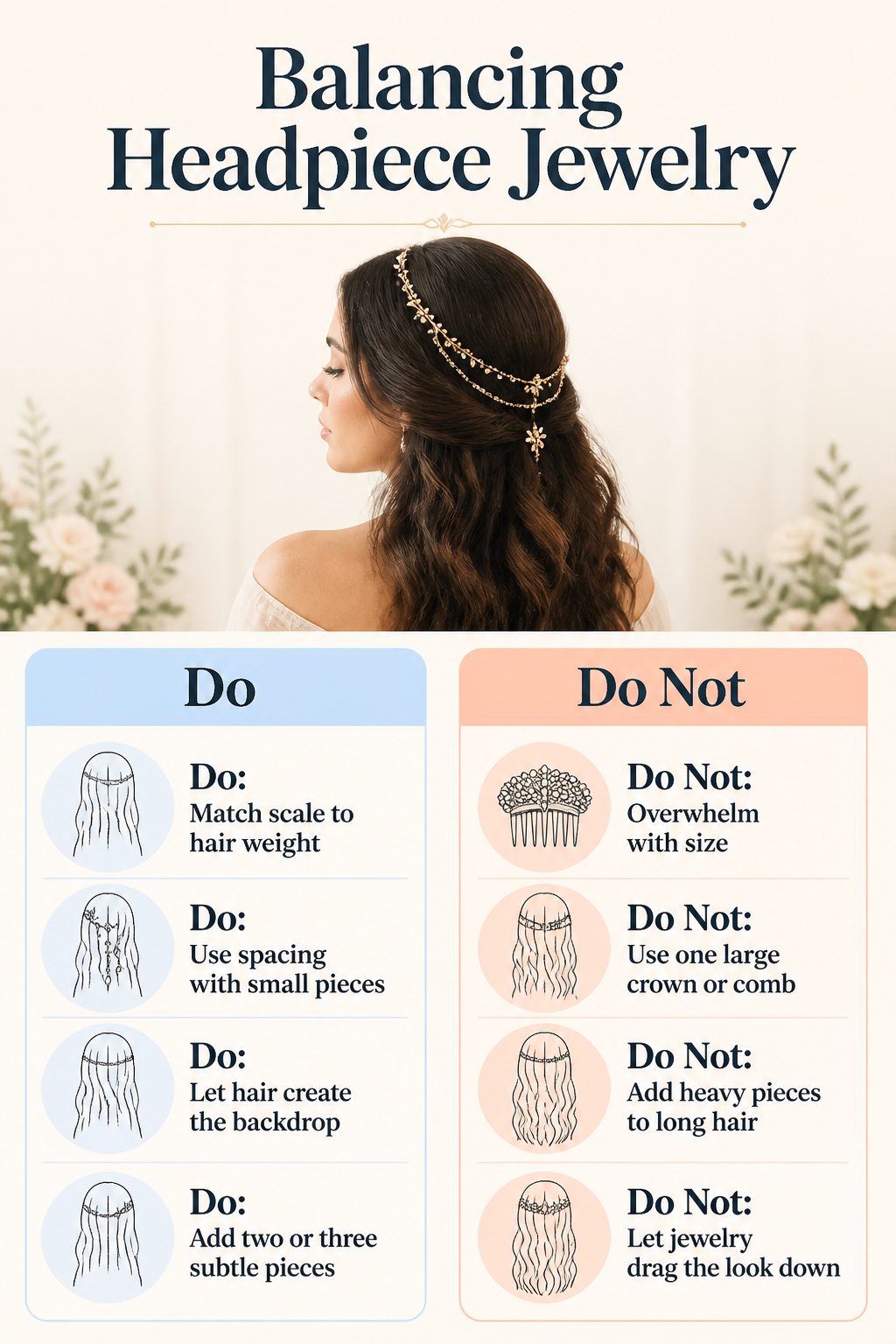
A heavy headpiece on long hair drags the whole silhouette down, turning what should read as elegant into something that looks like it is fighting gravity. On medium hair the same piece can sit closer to the skull and hold its own, but past shoulder length the weight pulls the eye toward the ends instead of the face. I learned this the hard way wearing a jeweled band to a spring wedding: the piece was beautiful on the table, but against waist-length waves it disappeared into the volume and left me looking bottom-heavy.
The fix is scale that matches the hair’s own weight, not its length. A thin chain or delicate pin that would vanish in a bob can trace a visible line through long layers because the hair itself creates the backdrop. Two or three small pieces spaced along a half-up style read as intentional; one large comb crammed in at the crown tries to do all the work and usually fails. Long hair already has movement and presence. The jewelry’s job is to give the eye somewhere to land, not to shout over what is already there.
Metal, Fabric, and What Lasts
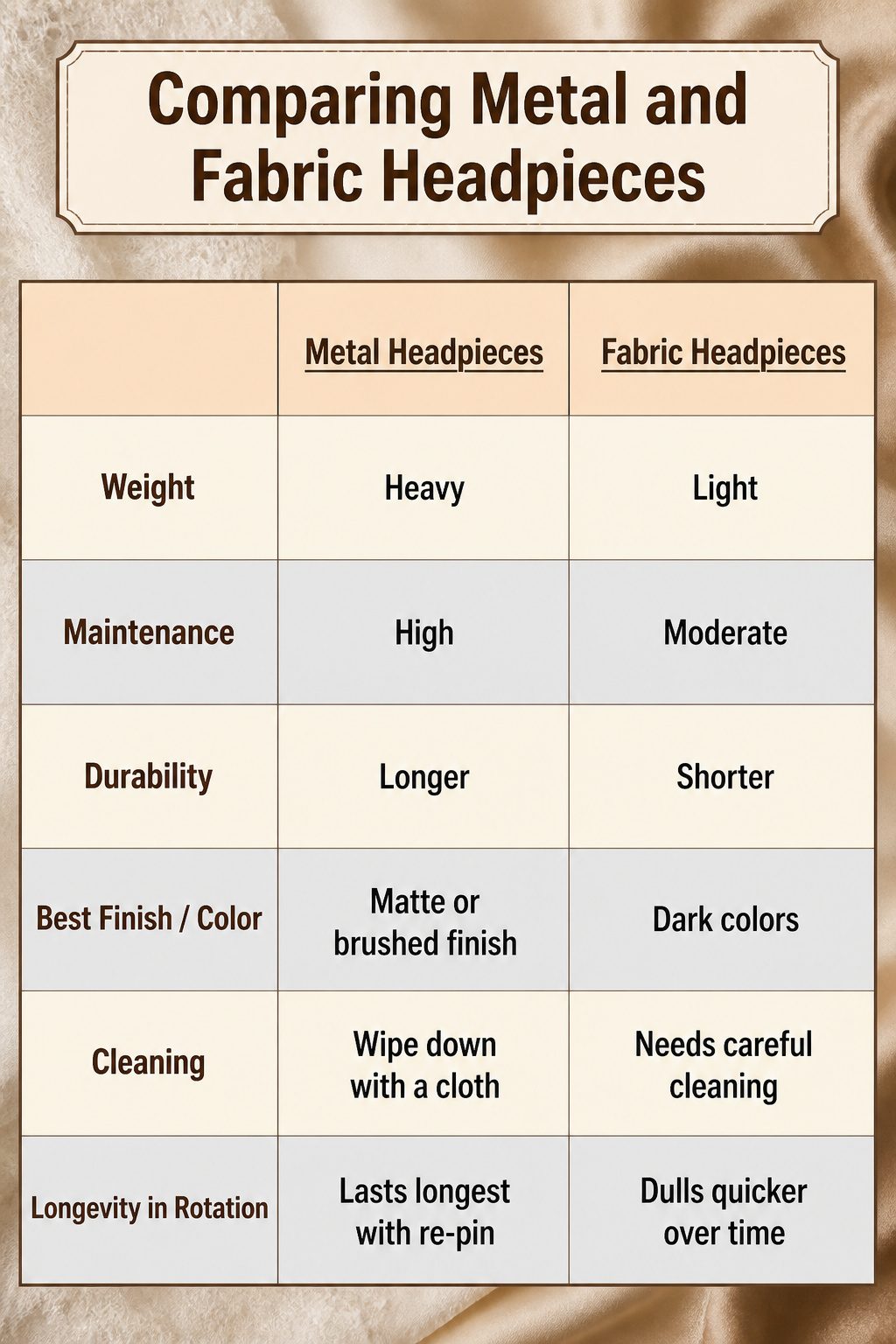
Metal headpiece jewelry carries weight that fabric simply does not. A brass or silver-plated piece with any density to it will slide down straightened hair by hour two unless the pins bite hard enough to leave marks. I have watched this happen at outdoor summer weddings where hairspray meets humidity and the comb ends up dangling like a pendant. Brass and alloy pieces need a textured anchor point or they become necklaces by default.
Fabric-covered bands and wired silk flowers solve the weight problem but introduce another. Dry shampoo, texturizing spray, and even natural scalp oils migrate into porous material. A velvet band that looked ink-black at 10 a.m. shows a dull grease line by 4 p.m., and cleaning it without crushing the nap takes more patience than most schedules allow. Satin survives better; its tight weave repels rather than absorbs.
Floral materials sit in the middle ground. Fresh blooms weigh almost nothing but fail within hours, their stems softening and releasing moisture that frizzes the precise sections you arranged them to frame. Dried or preserved flowers hold shape longer but shed, leaving bits in the hair that read as dandruff under flash photography. Silk botanicals avoid both traps if the wiring is coated, though the glue points stiffen and can snag when pulled through layered lengths.
For repeated wear, metal with a matte or brushed finish hides the micro-scratches that high polish reveals quickly. Fabric benefits from dark colors that mask the inevitable dulling. The piece that lasts longest in rotation is usually the one you can wipe down with a cloth and re-pin without thinking.
Frequently Asked Questions
What are the best headpieces for long hairstyles?
The best headpieces for long hair are hairpins, tiaras, floral crowns, headbands, combs, and veils. Each one interacts differently with length and weight, so the right choice depends on whether you need grip, decoration, or both. Hairpins and combs anchor styles mechanically, while tiaras and crowns need strategic placement to avoid sliding forward under long hair’s pull.
How do I style my hair with a headpiece?
Build the hairstyle around the headpiece’s needs rather than adding it last. Backcomb a narrow anchor strip where a tiara or veil comb will sit, place hairpins where twists meet the scalp rather than at outer edges, and leave two to three inches of a decorative comb’s spine visible so it reads as jewelry. The headpiece should complement the hair’s natural movement without overpowering it.
Can I make my own headpiece?
Yes, DIY headpieces can be made using various materials and simple techniques. Wired greenery holds shape better than glued constructions for floral crowns, and fabric-covered bands with satin lining work well for textured hair. Fresh blooms fail within hours and release moisture that frizzes arranged sections, so preserved or silk botanicals with coated wiring last longer and shed less.